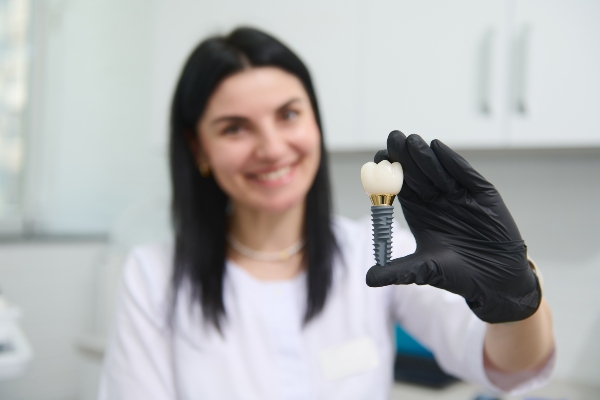
 Dental implants are excellent options for restoring dental function and aesthetics in patients with missing teeth. However, the process does not end after the implant placement. The long-term condition of your mouth determines the success of the treatment. If you want to maintain good oral health and thus, your implants, this article explores a few habits to cultivate.
Oral health maintenance
Good oral care is vital after the installation of dental implants to minimize the risk of failure and ensure durability. Without proper care, issues like peri-implantitis can occur, resulting in implant failure if left untreated. The general dentist will provide postoperative instructions for the patient to follow. These might entail using cold compresses to manage swelling, taking medication to alleviate pain, and eating a soft diet to aid recovery. Other ways to maintain oral health include the following.
Use soft-bristled toothbrush
Patients should use a soft-bristled toothbrush to clean natural teeth and dental implants. This step reduces the risk of scratching the implant surface or hurting the gum tissue. Brushing the teeth and tongue twice daily is also advisable to keep the mouth clean.
Floss regularly
Daily flossing is essential to remove plaque and food debris from areas where a toothbrush cannot reach, such as around dental implants. Individuals can get implant-specific floss or interdental brushes to clean the spaces around abutments without hurting adjacent tissues. If unsure, patients can ask the dentist for recommendations.
Get antimicrobial mouthwash
Mouthwash reduces the number of bacteria in the mouth and limits their activity. Patients should use antimicrobial mouthwashes daily to avoid plaque and infection. Alcohol-free options are recommended to avoid mouth dryness, which can promote bacteria growth.
Go for routine dental checkups
The dental professional will schedule follow-up appointments with the patient after the procedure. These appointments enable them to observe how the implants are integrating with the patient's jawbone and the surrounding tissues.
Once the treatment is over, patients will need to see their dentist frequently to maintain healthy teeth and implants. The dentist will also examine the oral cavity and catch problems before they become serious. Regular professional cleanings can remove plaque and tartar from the mouth.
Avoid hard foods
Patients should avoid eating sticky or hard foods until the implant has mostly healed. Excessive pressure on the implant before osseointegration may loosen or damage it. Even after healing, patients should be cautious with food options to keep the implant in the best condition possible.
Check lifestyle habits
Patients’ lifestyle choices can affect the durability of the implants and even their natural teeth. Habits like smoking hinder the healing rate and increase the chance of implant failure. Patients struggling to quit smoking can talk to their dentist about smoking cessation options. Using the teeth as a tool (such as to open packages) can also cause damage.
Final note
Dental implants have become the restoration of choice among patients who have lost their natural teeth. However, the secret to the long-term success of this treatment lies in the aftercare. You should maintain a strict oral care routine and visit the dentist frequently. To learn more about this treatment, please book an appointment with the general dentist.
Request an appointment or call Northside Dental Care, PC at 978-206-7077 for an appointment in our Peabody office.
Related Posts
Dental implants are highly effective for restoring oral function following tooth extraction. After receiving implants, a person is more likely to be able to chew food more easily, pronounce words more properly when speaking, and even feel more confident with a restored smile. Someone who decides to get implants should prepare for the procedure as…
Dental implants restore functionality to the smile, all while looking and feeling like natural teeth. They achieve this by fusing with the jawbone, creating a permanent, irremovable tooth replacement solution that does not slip or slide. This benefit makes them a great option for patients seeking an alternative to traditional dentures.Dental implants are metal screw-like…
Missing one tooth or multiple teeth can make it harder to perform everyday functions. It can also make you feel self-conscious about smiling. Dental implants not only restore the function and appearance of your smile, but they also help restore your everyday oral health.Dental implants are artificial tooth roots surgically placed in a person's jawbone.…