Benefits of Tooth Restoration with Dental Bonding
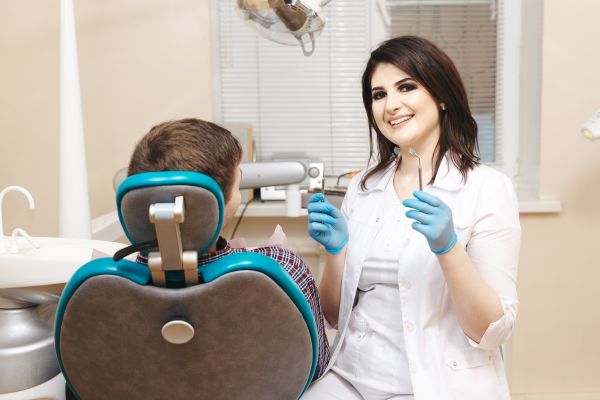
For those with damaged, stained, or unsightly teeth, dental bonding can help create a more beautiful and natural-looking smile. While the procedure can be used for cosmetic purposes, it may also play an important role in maintaining and improving overall oral health. There are numerous reasons to consider this type of dental work when a tooth restoration is needed.
Improving teeth with dental bonding
While many people can enjoy the benefits of this treatment, a dentist must first evaluate the patient's current dental health and long-term needs. Alternatives are available for more severe issues.
Conditions for treatment
Dental bonding can be used to treat severe stains and discoloration. It is also used to repair teeth with minor chips and cracks. Patients who have abnormally small or irregularly shaped teeth can utilize this procedure to improve their smile. It can even reduce or eliminate large gaps between teeth, and the process is useful for treating cavities.
In general, patients should have good oral health before undergoing this type of restorative procedure. If tooth damage is due to excessive decay or severe gum disease, dental bonding will not provide a long-term solution to the problem. In these situations, other measures may be necessary to protect oral health. Some common options include:
- Crowns
- Bridges
- Implants
- Veneers
- Partial or full dentures
- Periodontal surgery or laser treatment
Due to the nature of the materials and the application process, dental bonding is not designed to withstand the excessive force placed on teeth toward the back of the mouth.
Benefits of the bonding process
Unlike other more invasive treatments, dental bonding is a quick, simple, and often painless procedure for many patients. While the surface of the tooth does have to be prepped for application, the enamel does not need to be ground down or removed, allowing the natural tooth to retain its shape. Because no components must be crafted to fit the patient's mouth, impressions, molds, or high-definition scans are not required. In addition, the procedure is usually completed in just one office visit. Recovery is minimal, with most patients returning to normal routines immediately after treatment.
Understanding the treatment process
First, a dentist will address any decay surrounding the treatment area. Next, the surface of the tooth is given a rough texture to help ensure a strong, tight hold. A liquid is then applied, followed by the tooth-colored resin. The dentist molds and forms this resin over the natural tooth until the desired contour is achieved. The resin is set with a blue light or laser, then shaped and polished for the final look. The material can be chipped with excessive force, so patients are encouraged to avoid habits that can damage the resin, including chewing on fingernails, ice, or other foreign objects.
Conclusion
Dental bonding is an effective and minimally invasive option for tooth restoration. It can be used to treat a variety of dental issues, providing both cosmetic improvements and necessary tooth repair. Due to the simplicity of the procedure, it offers many benefits for patients looking for a more beautiful smile.
Request an appointment here: https://www.northside-dentalcare.com or call Northside Dental Care, PC at (978) 206-7077 for an appointment in our Peabody office.
Check out what others are saying about our services on Yelp: Read our Yelp reviews.
Related Posts
When treating a damaged tooth, patients commonly choose between dental fillings and crowns to restore function and appearance. Dental crowns are especially valuable when extensive damage compromises tooth integrity. Understanding the differences between these two restorative options helps patients make informed decisions about maintaining optimal oral health.Dental fillings repair teeth damaged by decay, cavities, or…
Dental crowns are a common restorative treatment used in general dentistry. They can restore severely damaged teeth, saving patients from the pain, time, and cost of extraction and replacement. Further, crowns come in a variety of safe, biocompatible materials. Exploring the facts about dental crowns can make you feel more confident in getting one.Dental crowns…
Acting quickly by consulting an emergency dentist when facing the signs of dental implant rejection helps to protect the jawbone and surrounding teeth. While implants offer a permanent, high-success solution for missing teeth, the body occasionally struggles to integrate the titanium post with the natural bone. This complication requires immediate attention to halt the spread…
Dental crowns are essential restorations used to protect, strengthen, and improve the appearance of damaged or weakened teeth. Among the various materials available, zirconia and porcelain are two of the most commonly used options. Each type of crown has unique characteristics and drawbacks. It is essential to understand their differences when selecting the right restoration…