Fixing Broken Teeth Through A Full Mouth Reconstruction
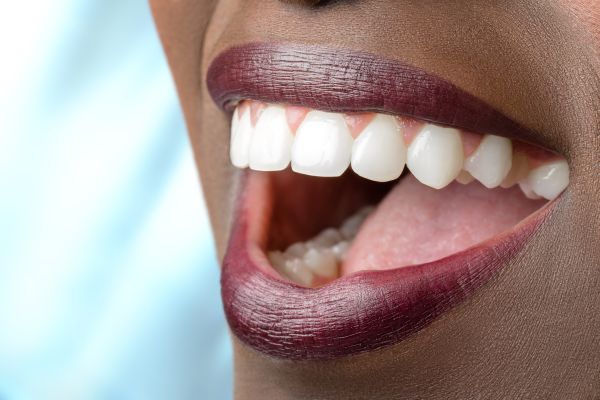
Individuals who have multiple broken teeth should consider how a full mouth reconstruction might benefit them. Broken teeth are a common concern and can be the result of a range of issues. Fortunately, there are several effective treatment options available to deal with broken teeth during a full mouth reconstruction.
How a full mouth reconstruction works
Every patient deserves a smile they love, but all too many avoid a full mouth reconstruction as they fear treatment is too invasive or takes too long. It is helpful to have a more clear understanding of how a full mouth reconstruction works when deciding whether or not treatment is a good idea.
A full mouth reconstruction for broken teeth
A full mouth reconstruction involves a series of dental procedures to improve the patient’s appearance, oral health and ability to function. Additionally, a full mouth reconstruction can address broken teeth, along with other types of dental damage, missing teeth and issues with periodontal health. Patients may experience broken teeth due to a blow to the face, as the effects of teeth grinding or as a result of inadequate oral hygiene. Full mouth reconstructions are tailored to meet the specific needs of the patient, and most are eligible regardless of the cause of their broken teeth.
Treatment options for broken teeth
There is a range of treatment options available to effectively deal with broken teeth long-term. Among the more common procedures include:
- Dental crowns
- Porcelain veneers
- Dental bonding
- Inlays & onlays
- Dental filling
Depending on the severity of the break, which teeth require treatment and the preference of the patient, the dentist may recommend one treatment over another for the full mouth reconstruction. Dental crowns are ideal for more severe damage to molars and premolars, whereas veneers work well for more visible teeth. Bonding, inlays, onlays and dental fillings typically treat mild to moderate damage.
Other issues a full mouth reconstruction can fix
Broken teeth generally refer to chips and cracks, although a full mouth reconstruction can treat many other types of dental damage. People also choose a full mouth reconstruction to fix the following concerns:
- Tooth decay
- Missing teeth
- Gum disease
- Gum recession
- Jawbone loss
Every patient is unique and the treatment plan is personalized for the individual. A full mouth reconstruction can address almost every concern, from teeth staining to replacing an entire row of missing teeth.
When to consider a full mouth reconstruction
Anyone who is not satisfied with the appearance of their smile, the status of their oral health or their ability to eat the way they desire due to tooth and gum damage should consider a full mouth reconstruction. The best way to decide if a full mouth reconstruction is right is to discuss the pros and cons with a dentist.
Find out more about treatment today
When considering a full mouth reconstruction to fix broken teeth, it is best to work with a dentist who can help. Reach out today to learn more or to get started.
Request an appointment here: https://www.northside-dentalcare.com or call Northside Dental Care, PC at (978) 206-7077 for an appointment in our Peabody office.
Check out what others are saying about our services on Yelp: Read our Yelp reviews.
Related Posts
Dental crowns are one of the most effective restorative solutions for cracked or fractured teeth. These custom-fitted caps strengthen damaged teeth, restore normal function, and protect against further complications. Dental crowns offer a reliable and long-term option to preserve the natural tooth structure and maintain a healthy smile when a tooth is compromised due to…
Dental crowns aim to protect damaged or weakened teeth from additional deterioration and wear. While these restorations are durable, they can last even longer with the right care and maintenance. Whether placed to protect a tooth after a root canal or to cover a dental implant, crowns require consistent care to maintain their design's effectiveness.Maintaining…
A partial denture can replace one to several missing teeth without the need for complex dental procedures. This tooth replacement option restores the appearance of the smile, protects remaining teeth, and supports healthy oral function. Since dental providers custom-make them to fit seamlessly into the natural dental arch, patients can expect a renewed smile that…
Dental crowns help protect weak or damaged teeth and restore the shape, strength, and appearance of the tooth. A dentist may recommend a crown after a large filling, root canal, or injury. Since each patient has different needs, there are many types of crowns to choose from.Porcelain crowns are often chosen for front teeth because…