Adult Orthodontics is the process of straightening teeth for health or cosmetic reasons. The word can be broken down into two parts: The English prefix “ortho,” which means straight, and the Greek word “odont” which means tooth.
Most people who need their teeth straightened typically have work done in their younger years, but that is not always the case. Some people are unable to get these procedures done during their younger years, while others do not need teeth straightening procedures until they're older.
Adult orthodontics simply means orthodontic procedures for adults.
Why an Orthodontist?
General orthodontic procedures can be performed by any dentist, but more complex procedures require the services of a specialist known as an Orthodontist. This is a dentist who has additional training in orthodontics.
The most common device used to straighten teeth in the past few decades are braces. These are metallic contraptions that are most commonly worn facing outwards. These braces apply constant pressure on the wearer's teeth, straightening them over time.
While braces have been proven to be effective at realigning teeth, they are very noticeable appliances, making them the last resort for some.
There have been lots of modifications to how braces are applied in recent times. Modern braces are can be made out of tooth-colored ceramics, solving the aesthetic issues associated with traditional braces.
Other alternatives for those who feel traditional braces are not an option include lingual braces, which work a lot like conventional braces but are installed behind the teeth making them hardly noticeable. However, given the fact lingual braces are worn inwardly, it takes longer to get used to them.
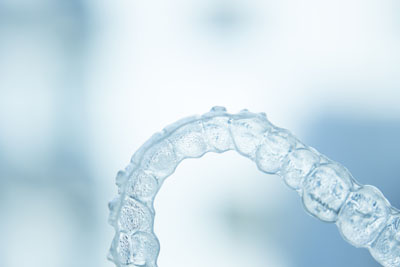
If your teeth are only mildly misaligned, you also have the option of going for removable braces or aligners that are both virtually invisible and comfortable.
Most people who undergo adult orthodontic procedures end up using retainers at some point since these ensure your teeth do not revert back to their original positions. You will typically have to choose between removable and permanent retainers. Most permanent retainers are hardly visible, so they won't prevent you from showing off your newly straightened teeth. Your dentist will help you figure out which solution works best for you.
Is orthodontics right for you?
One of the most common issues addressed with orthodontic work is protruding upper front teeth, commonly referred to as “buck teeth.” The general approach is to tackle these issues during childhood, typically with braces, but, as we discussed earlier, some people aren't able to get this procedure done during their early years for a wide range of reasons.
Braces are also often used to address asymmetric teeth, crowded teeth, and underbites. It isn't uncommon for crowded or asymmetric teeth to become an issue later in life since your teeth tend to move around as you lose teeth with age.
Sometimes, orthodontic treatments are the first stage of more advanced treatments since issues like misaligned teeth need to be taken care of before getting more complex procedures like dental implants and bridges. Orthodontic devices are also used to address snoring related issues like sleep apnea.
There's nothing complicated about receiving adult orthodontic treatments. If you are unhappy with the way your teeth look, schedule an appointment with your dentist to discuss what treatment choices are best for you.
Dental crowns are one of the most effective restorative solutions for cracked or fractured teeth. These custom-fitted caps strengthen damaged teeth, restore normal function, and protect against further complications. Dental crowns offer a reliable and long-term option to preserve the natural tooth structure and maintain a healthy smile when a tooth is compromised due to…
Dental crowns aim to protect damaged or weakened teeth from additional deterioration and wear. While these restorations are durable, they can last even longer with the right care and maintenance. Whether placed to protect a tooth after a root canal or to cover a dental implant, crowns require consistent care to maintain their design's effectiveness.Maintaining…
A partial denture can replace one to several missing teeth without the need for complex dental procedures. This tooth replacement option restores the appearance of the smile, protects remaining teeth, and supports healthy oral function. Since dental providers custom-make them to fit seamlessly into the natural dental arch, patients can expect a renewed smile that…
Dental crowns help protect weak or damaged teeth and restore the shape, strength, and appearance of the tooth. A dentist may recommend a crown after a large filling, root canal, or injury. Since each patient has different needs, there are many types of crowns to choose from.Porcelain crowns are often chosen for front teeth because…
 Adult
Adult