Teeth Whitening: What to Know Before You Start
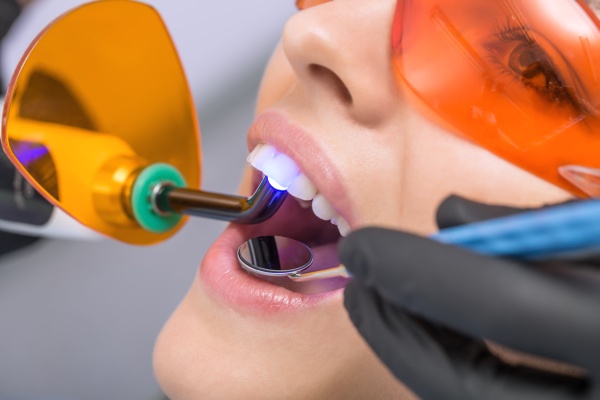
Teeth Whitening is one of the most popular, if not the most popular, of all cosmetic dentistry treatments. There is a wealth of information out there regarding this common practice, but not all the information is reliable. As a whitening beginner, or as someone who would like a refresher, it is helpful to know what you are getting into before you begin.
Stained teeth can benefit from teeth whitening
Teeth can be stained for all kinds of reasons. The most common surface stains are those caused by eating or drinking darkly-colored food and drink. Foods like blueberries and beverages like wine and coffee can discolor teeth over time. Teeth whitening works to reverse this staining and restore your teeth to a naturally whiter shade.
Sometimes, teeth are stained because of repeated dental procedures. This can cause the tooth to darken and appear gray. In this case, the tooth will not likely respond to the whitening treatment.
Only natural teeth respond to whitening. This means you will not see any improvement with veneers, dentures and crowns. If you need to lighten these dental appliances to match your other whitened teeth, you will have to replace them with lighter-colored false teeth.
How does whitening work?
Whitening, also known as bleaching, is the process of applying a solution to teeth that clears surface stains and reveals a whiter shade of enamel underneath.
During a treatment, the dentist will apply a peroxide-based gel to the surface of the front top and bottom teeth. He or she will then wipe away excess gel to limit contact with the gums. Depending on the percentage of the peroxide, the amount of time your dentist will leave the solution on your teeth can vary. Your dentist will then remove the gel and you can walk out with a brand new smile.
The gel can cause sensitivity even if your gums are healthy, so keep this in mind and have a sensitivity toothpaste on hand for brushing when you return home after your treatment.
Professional whitening vs. at-home whitening kits
Although there are at-home options for whitening, in-office whitening treatments will last much longer and have a greater effect in one sitting. In one professional whitening session, you can expect to see results immediately. Teeth will immediately appear to be two shades whiter or lighter, depending on the number of surface stains being removed.
If you do decide to take the do-it-yourself route, make sure to follow all instructions on the kit. Never leave the solution on for longer than intended, as this could cause sensitivity or even damage.
Not everyone can get their teeth whitened
If you have any kind of gum disease, even at the mild stage of gingivitis, dentists do not recommend teeth whitening. The gel can be irritating to sensitive gums and can exacerbate any oral health issues.
To find out if you are a good candidate, make an appointment today with your dentist to talk about your teeth whitening options.
Request an appointment here: https://www.northside-dentalcare.com or call Northside Dental Care, PC at (978) 206-7077 for an appointment in our Peabody office.
Check out what others are saying about our dental services on Yelp: Teeth Whitening.
Related Posts
Acting quickly by consulting an emergency dentist when facing the signs of dental implant rejection helps to protect the jawbone and surrounding teeth. While implants offer a permanent, high-success solution for missing teeth, the body occasionally struggles to integrate the titanium post with the natural bone. This complication requires immediate attention to halt the spread…
Dental crowns are essential restorations used to protect, strengthen, and improve the appearance of damaged or weakened teeth. Among the various materials available, zirconia and porcelain are two of the most commonly used options. Each type of crown has unique characteristics and drawbacks. It is essential to understand their differences when selecting the right restoration…
Many people resort to using dentures instead of dental implants in managing tooth loss. Dentures may restore the look of the lost tooth or teeth, but they do not compare to implants. Many dentists may recommend shifting to implants. The goals are to increase comfort and improve function. If you want to know how to…
Dental crowns are important in modern dentistry because they protect and support weak or damaged teeth. General dentists often suggest using crowns for damaged teeth that fillings cannot address. Whether due to decay, trauma, or structural issues, crowns help restore the tooth's function and appearance. They also prevent further damage to your smile and oral…