TMJ Dentist Solutions: Modern Approaches to Jaw Pain and Function Restoration
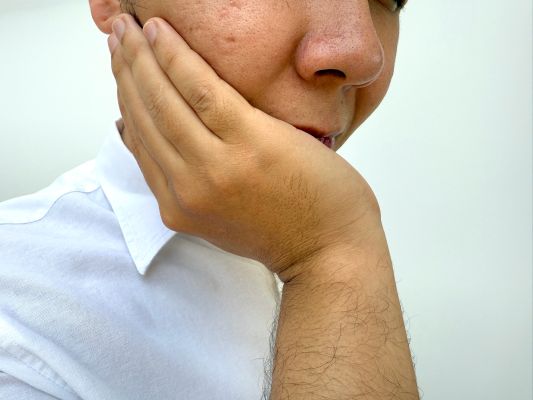
Temporomandibular joint (TMJ) disorders cause persistent jaw pain, difficulty chewing, and limited range of motion. Fortunately, a TMJ dentist specializes in diagnosing and treating these complex conditions using advanced, non-invasive, and personalized approaches. As awareness of TMJ disorders grows, so does the demand for effective and sustainable treatments that target both symptoms and root causes. Through modern dentistry techniques, you can experience relief from discomfort and a significant improvement in your overall jaw function.
Understanding TMJ disorders
TMJ disorders encompass a range of problems related to the temporomandibular joint, which connects the jawbone to the skull. These disorders may stem from a variety of factors, including:
- Injury
- Arthritis
- Teeth grinding or clenching (bruxism)
- Bite misalignment
- Stress-related jaw clenching
TMJ disorders cause a wide range of symptoms that vary widely. However, they often include jaw pain and clicking or popping sounds. Some patients also experience chronic headaches, earaches, facial soreness, and difficulty fully opening or closing their mouth.
Since these symptoms overlap with other health issues, it is essential for patients to get a professional and accurate diagnosis. A TMJ dentist utilizes detailed assessments, which may involve imaging, bite analysis, and a physical examination, to pinpoint the exact cause of the disorder. This thorough process allows them to identify the underlying cause of the TMJ disorder and tailor treatment plans, which offer more effective and long-lasting relief.
Non-surgical treatment options
Many TMJ dentists offer conservative, non-surgical treatments as a first line of treatment for TMJ disorders. These methods focus on reducing pain while improving the patient's oral function and preventing further damage to their jaw joint.
Oral appliances or mouthguards
One of the most common tools used by a TMJ dentist is a custom-made oral appliance, often called a splint or nightguard. The patient will wear this device over their teeth, typically while they sleep, to prevent grinding and alleviate pressure on the jaw joint. They help realign the bite and reduce muscle tension, which can decrease jaw pain over time.
Medications
The TMJ dentist may recommend short-term pain relievers and anti-inflammatory drugs to help curb discomfort when over-the-counter medications are insufficient. Limited usage of muscle relaxants can help ease pain and muscle spasms associated with TMJ disorders. The TMJ dentist may also recommend tricyclic antidepressants, as low doses can help ease pain, control bruxism, and help with symptoms of fatigue.
Physical therapy
To help with jaw pain, the patient may try exercises that stretch and strengthen their jaw muscles. The TMJ dentist may also recommend treatments like ultrasound or transcutaneous electrical nerve stimulation, also known as TENS. Applying moist heat and doing gentle stretches can be effective if done several times a day.
When surgical options become necessary
While many TMJ disorders respond well to non-invasive treatments, there are some situations where patients may need surgical intervention. TMJ dentists typically recommend surgery when there is structural damage to the joint. They may also suggest that non-invasive methods have not provided the patient with adequate pain relief.
There are several different types of TMJ surgery available, such as:
- Arthrocentesis. This minimally invasive TMJ surgery involves inserting small needles into the temporomandibular joint to flush out inflammatory byproducts and improve mobility.
- Arthroscopy. The TMJ dentist uses a small camera and specialized instruments through tiny incisions, allowing them to remove adhesions, reposition the disc, or smooth the joint surfaces.
- Open joint surgery. The TMJ dentist makes a large incision to directly access the temporomandibular joint for more complex repairs or reconstruction.
The type of surgery recommended will depend on the patient's symptoms and the severity of the joint degradation.
Lifestyle recommendations
Addressing TMJ disorders often involves evaluating a patient's lifestyle and contributing habits. For example, stress is a common factor in TMJ-related jaw clenching and muscle tension. The TMJ dentist may recommend incorporating relaxation techniques, such as mindfulness techniques, meditation, and breathing exercises, to reduce unconscious habits that may contribute to TMJ pain.
Additionally, patients who experience severe jaw discomfort may need to adopt a soft-food diet to minimize joint strain. Dietary changes can reduce gum chewing, which allows the jaw time to rest and recover. Improper posture, particularly forward head posture, can exacerbate the symptoms of TMJ. The dentist may recommend ergonomic changes at the patient's workstation, as well as exercises to help them improve spinal alignment and reduce jaw strain.
Schedule an appointment at our Peabody office
TMJ disorders can be debilitating and affect your overall quality of life. Fortunately, a TMJ dentist offers a wide range of innovative, effective treatments designed to alleviate pain and restore function. The Northside Dental Care, PC team offers TMJ treatment in the Peabody area. Call our office to learn more about our methods or to schedule an appointment.
Request an appointment here: https://www.northside-dentalcare.com or call Northside Dental Care, PC at (978) 206-7077 for an appointment in our Peabody office.
Check out what others are saying about our dental services on Yelp: TMJ Dentist in Peabody, MA.
Related Posts
A TMJ dentist is a dental professional who focuses on managing and treating the temporomandibular joint disorder. Typically, this type of dentist is one who undergoes general dentistry education and training, but they continue their studies about the temporomandibular joint and how it can negatively impact one's oral health.TMJ disorder refers to the dysfunction that…
TMJ (temporomandibular joint dysfunction) affects over 3 million people in the US, according to the Mayo Clinic. This joint acts like a moving hinge and connects the skull to the jawbone. This joint is what allows your mouth to open and close. Sufferers from the disorder deal with pain and discomfort in many ways depending on…
Teeth clenching is an action that most people perform when stressed, anxious, or afraid. Clenching is typically a physical response to whatever emotion is occurring. It crosses a lot of the same boxes that bruxism does; however, the actual grinding motion does not usually take place. Instead, the upper and lower portions of the jaw…
If you were to poll TMJ (Temporomandibular Joint and Muscle Disorder) dentists about the frequency of oral health issues with the temporomandibular joint, you might be surprised with the results. Issues with this joint are much more common than most think. This joint serves as the axis between the skull base and the lower jaw.It…